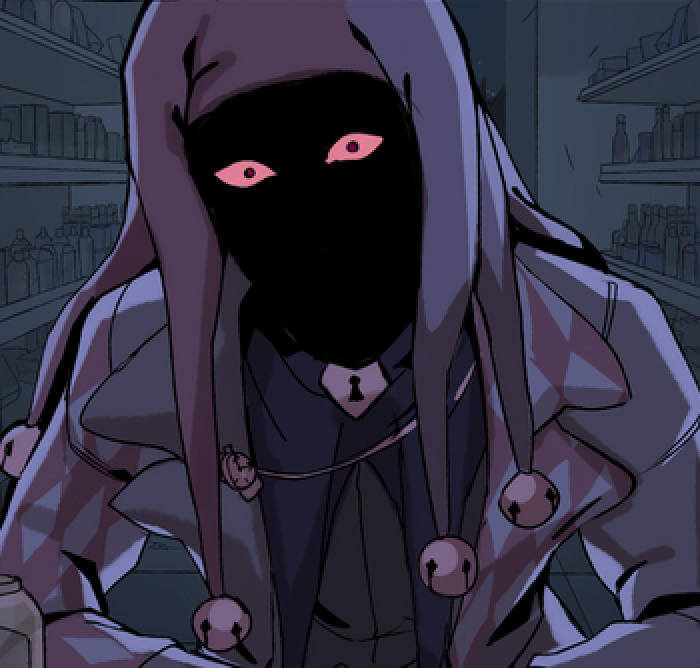
 Don't Eat the Cashier!
Don't Eat the Cashier!
 Monster Romance
 Branching Story
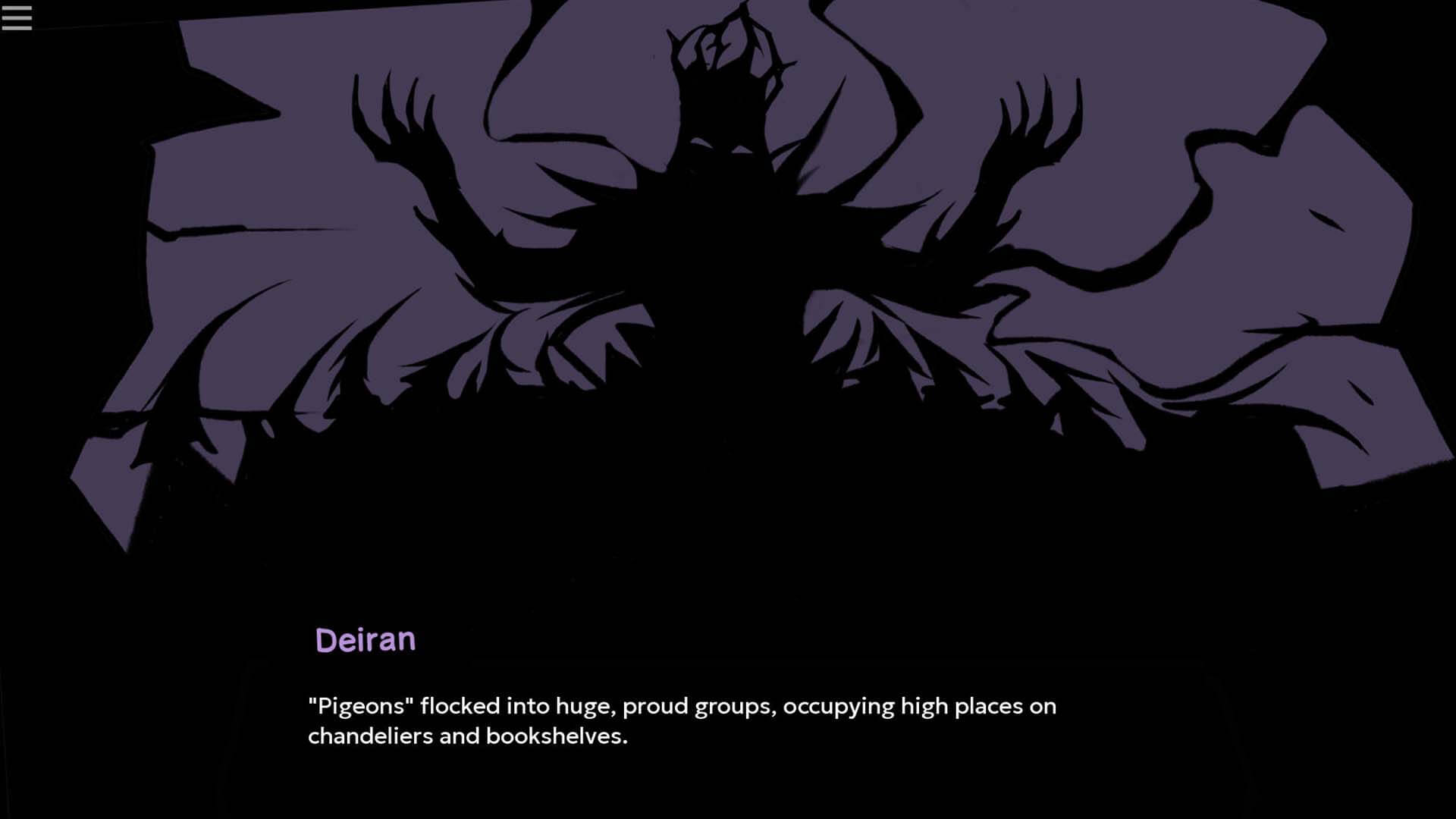 9 Endings
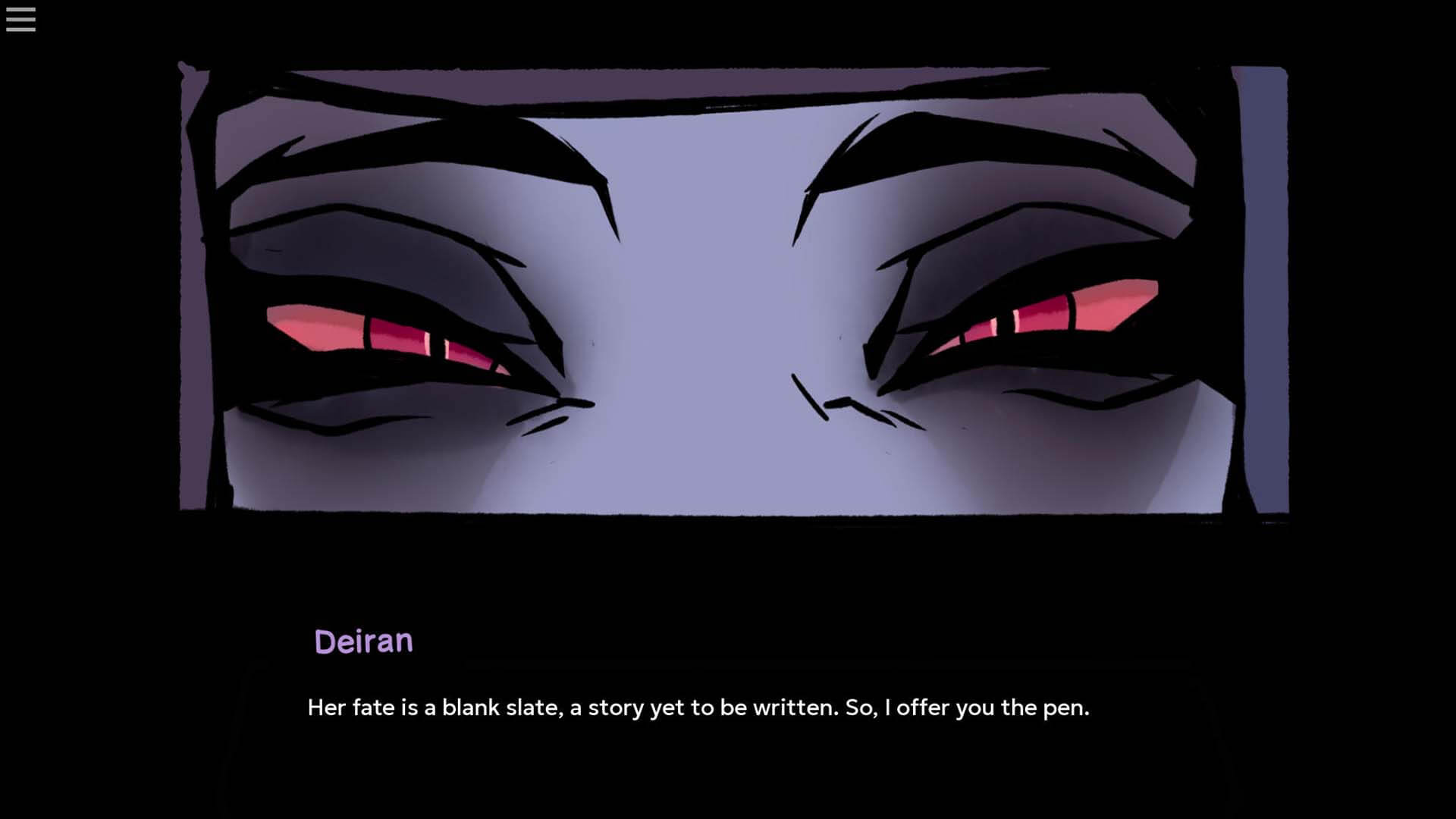 Dark Humor
Play Don't Eat the Cashier! Game Online
Don't Eat the Cashier! is a monster-romance horror visual novel built around one very uncomfortable idea: all your customers are monsters, and the wrong answer at the counter can decide whether you survive the night shift.
The browser version above lets you start Don't Eat the Cashier! without installing a desktop build. This matters because the game works best when you can jump in, settle into the mood, and give the dialogue your full attention.
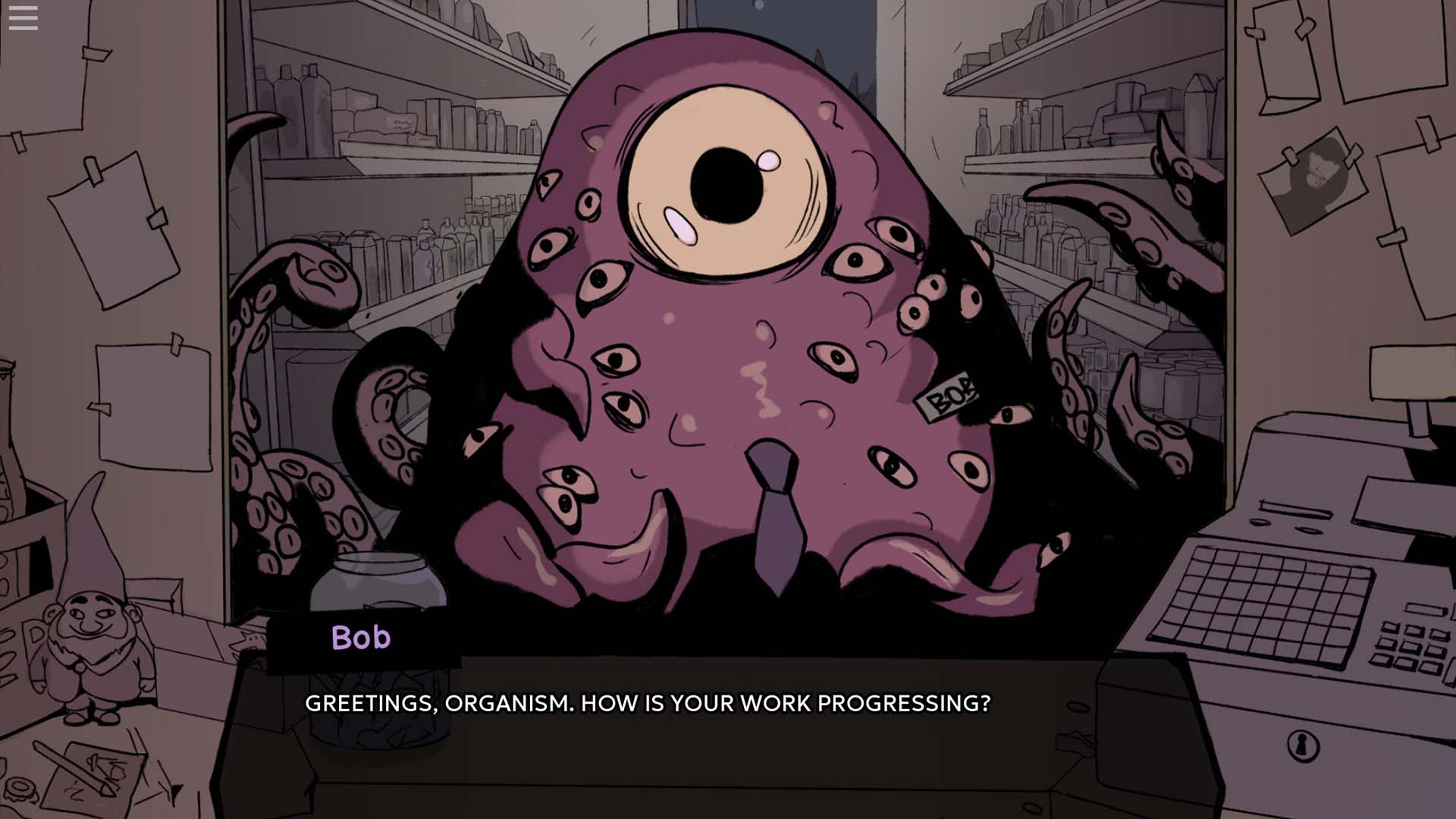
The first thing to know about Don't Eat the Cashier! is that it is not trying to be a loud, jumpscare-heavy horror ride. It is quieter than that —and stranger. Don't Eat the Cashier! uses an isolated gas station, a rotating cast of inhuman customers, and a boss named BOB who watches everything from behind the counter. That is why Don't Eat the Cashier! is easy to recommend. If you like unsettling romance, dark humor that sharpens the tension, and visual novels where one dialogue choice can flip a whole scene, this game delivers.
Before you press play, set one expectation: Don't Eat the Cashier! is best treated as a slow read. The game wants quiet attention, not speed. It makes the counter feel closer when you pause before a choice. It also works better when you accept that the story is uncomfortable on purpose. If Don't Eat the Cashier! feels too tense, stop and come back later. If it pulls you in, replay it and watch how the game changes when you answer the same customer differently.
Returning players can use this page as a quick Don't Eat the Cashier! launch point: start the game, test one route, then replay while the last shift is still fresh in your mind.
What the Don't Eat the Cashier! Game Is About
At its core, Don't Eat the Cashier! is about keeping your nerve behind a gas station counter. You are not managing a huge inventory or fighting through a maze. You are reading tone, watching expressions, and deciding what kind of answer will keep the conversation from slipping into something dangerous. Don't Eat the Cashier! makes that narrow focus work because the situation stays intimate: one store, one shift, one boss you can never quite read, and a growing list of monster customers who all want something different from you.
That focus gives Don't Eat the Cashier! its particular flavor. A scene can feel cozy for a moment, then the same cozy details become threatening. A kind reply can calm someone down, or it can be read the wrong way and make everything worse. A romantic beat can feel like genuine connection, or it can feel like a test you are about to fail. Don't Eat the Cashier! asks you to pay attention to the gaps between what a customer says and what the scene implies. If you rush, you miss the point. If you slow down, Don't Eat the Cashier! starts to feel much more personal.
How to Play Don't Eat the Cashier! Game
Don't Eat the Cashier! uses standard visual novel controls. Click or tap to advance text, pick dialogue options, and move through menus. Keyboard input can also help on desktop browsers, especially if you prefer clicking less while reading. The important part is not speed. Don't Eat the Cashier! rewards patient reading, because your best clue is often the way a sentence sounds rather than the option that looks safest at first glance.
For a first run, treat Don't Eat the Cashier! like a shift you are trying not to ruin. Read every line before choosing. Notice when a customer sounds playful, hurt, irritated, or too calm. Don't Eat the Cashier! can make a harmless answer feel suspicious if it ignores the emotional temperature of the scene. When a choice appears, ask what the answer says about your intentions, not just whether it seems polite.
If you are playing Don't Eat the Cashier! on mobile, rotate the phone if the frame feels tight. If the browser hides part of the screen, try fullscreen, then tap once inside the game before advancing. On desktop, fullscreen can make Don't Eat the Cashier! more comfortable because the art and text have room to breathe. If the game appears silent, check the browser tab, device volume, and any autoplay restrictions.
Why the Don't Eat the Cashier! Game Works
The strongest part of Don't Eat the Cashier! is how much it does with a single location. It does not depend on a giant cast or a complicated map. Instead, Don't Eat the Cashier! keeps returning to the same question: can you stay calm when every customer at the counter is a monster, your boss is watching, and the night is not close to over? That makes the story easy to understand but hard to relax inside.
Don't Eat the Cashier! also understands that horror can come from attention. BOB looms over the whole story. Customers look at you too directly. Someone says something that could be sweet if the store felt safer —but the store never feels safer. Don't Eat the Cashier! keeps that pressure close, so the player starts to second-guess ordinary choices. Do you soothe, deflect, tease, provoke, or play along? The game makes each route feel like a small experiment with trust.
Because Don't Eat the Cashier! is an indie visual novel by Miloff, everything feels handmade in the best way. The original character art gives the monster cast real presence. The dark humor lands without undercutting the tension. The Chinese localization keeps the tone and pacing of the English script intact. That directness helps Don't Eat the Cashier! stand out from horror games that spend too long setting up. Here, the mood arrives fast —and the player has to deal with it.
First-Run Advice for Don't Eat the Cashier! Game
Do not chase a perfect ending the first time. Don't Eat the Cashier! is more interesting if you let the first run show you what kind of choices feel natural, then replay with a sharper plan. If you get an ending that feels abrupt, use it as information. Don't Eat the Cashier! is built for repeat attempts —with nine different endings in the mix —and the best way to understand the cast is to test how different responses change each relationship across multiple shifts.
It also helps to keep a light mental note of choices that seem important. Don't Eat the Cashier! is short enough that you can replay a full route without needing a spreadsheet, but the mood shifts are easier to follow if you remember which answers made a customer warmer, colder, or more dangerous. If you are recording endings, write down the last few decisions before each result. That makes Don't Eat the Cashier! easier to map without spoiling the story for yourself too early.
Mature Content & Player Comfort — Don't Eat the Cashier! Game
Don't Eat the Cashier! is intended for adult players. The game uses psychological horror, obsessive dynamics, monster romance, dark humor, and tense personal situations. If those themes are not what you want tonight, skip Don't Eat the Cashier! and come back when you are in the mood for a darker story. Horror visual novels work best when the player chooses the discomfort, not when the page surprises them into it.
The browser player on this site is made for quick access, but Don't Eat the Cashier! still belongs in the category of games you should play with headphones, a quiet room, and enough time to read. Background noise makes the pacing weaker. Multitasking makes the choices feel random. Give Don't Eat the Cashier! a focused shift. You will quickly see why the game holds a 5.0 rating from over 340 players.
Browser Troubleshooting for Don't Eat the Cashier! Game
If Don't Eat the Cashier! does not load, refresh once and wait a little longer than you would for a static page. Browser-hosted visual novels can take time to pull in scripts, images, and audio. If the frame stays black, turn off strict blockers for this page, check whether your browser is blocking third-party frames, and try opening Don't Eat the Cashier! in a new tab. If you are on a school, office, or public network, the asset host may be filtered.
If Don't Eat the Cashier! loads but the text box or buttons feel cramped, change the viewport. On desktop, use fullscreen. On mobile, rotate the device, close extra browser UI, and avoid split-screen mode.
Don't Eat the Cashier! is also available as native downloads for Windows, macOS, Linux, and Android. Check the official download page if the browser version gives you trouble.
If your progress disappears after clearing browser data, that is expected for many browser-hosted games. Treat local storage as temporary unless Don't Eat the Cashier! tells you otherwise inside the game.
Why Replay Don't Eat the Cashier! Game
The replay value in Don't Eat the Cashier! comes from curiosity. Once you know one outcome, you start wondering what would happen if you were kinder, colder, more honest, or more careful with a specific character. Don't Eat the Cashier! makes that loop feel natural because the same conversation can feel completely different when you already know how dangerous someone can become. A second run is not just a checklist. It is a chance to read the same scenes with new suspicion.
That is the appeal of Don't Eat the Cashier! as a browser game page. You can launch it fast, replay a branch, watch a scene again, and compare your choices without digging through downloads. Don't Eat the Cashier! is at its best when it feels immediate: one click, one dark gas station, one customer walking through the door.
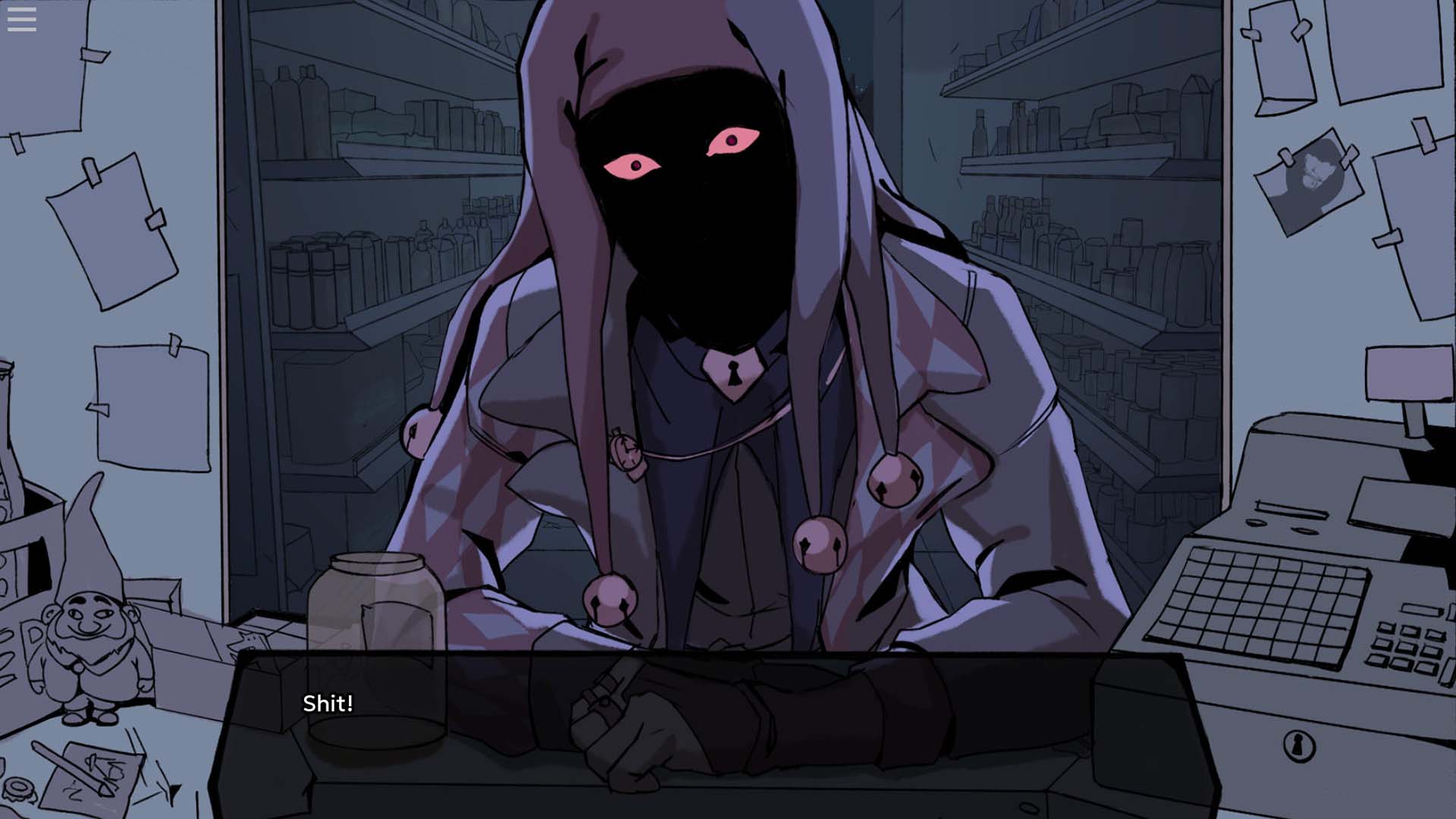
Don't Eat the Cashier! Screenshots
Don't Eat the Cashier! Game FAQ
Quick answers about game type, gameplay, characters, endings, and where to play Don't Eat the Cashier! right now.
What type of game is Don't Eat the Cashier!?
Don't Eat the Cashier! is a monster-romance horror visual novel that mixes dark humor with low-key survival pressure. The story takes place at a remote gas station where you work the night shift —and every customer who walks in is a monster. Each dialogue choice can push the night in a completely different direction.
How does Don't Eat the Cashier! play?
Don't Eat the Cashier! is built around dialogue choices. Each monster customer has a mood and a hidden agenda —you read the room, pick a response, and live with the consequences. There is no combat and no inventory, just conversation, atmosphere, and the weight of every reply. The game quietly tracks your tone and trust levels to determine which ending you reach.
Where does the tension in Don't Eat the Cashier! come from?
Don't Eat the Cashier! does not rely on jumpscares. The pressure comes from the people —the customers are unstable, the workplace feels wrong from the moment you clock in, and BOB is always watching. Even a small, seemingly safe response can push a scene past the point of no return.
Who are the main characters in Don't Eat the Cashier!?
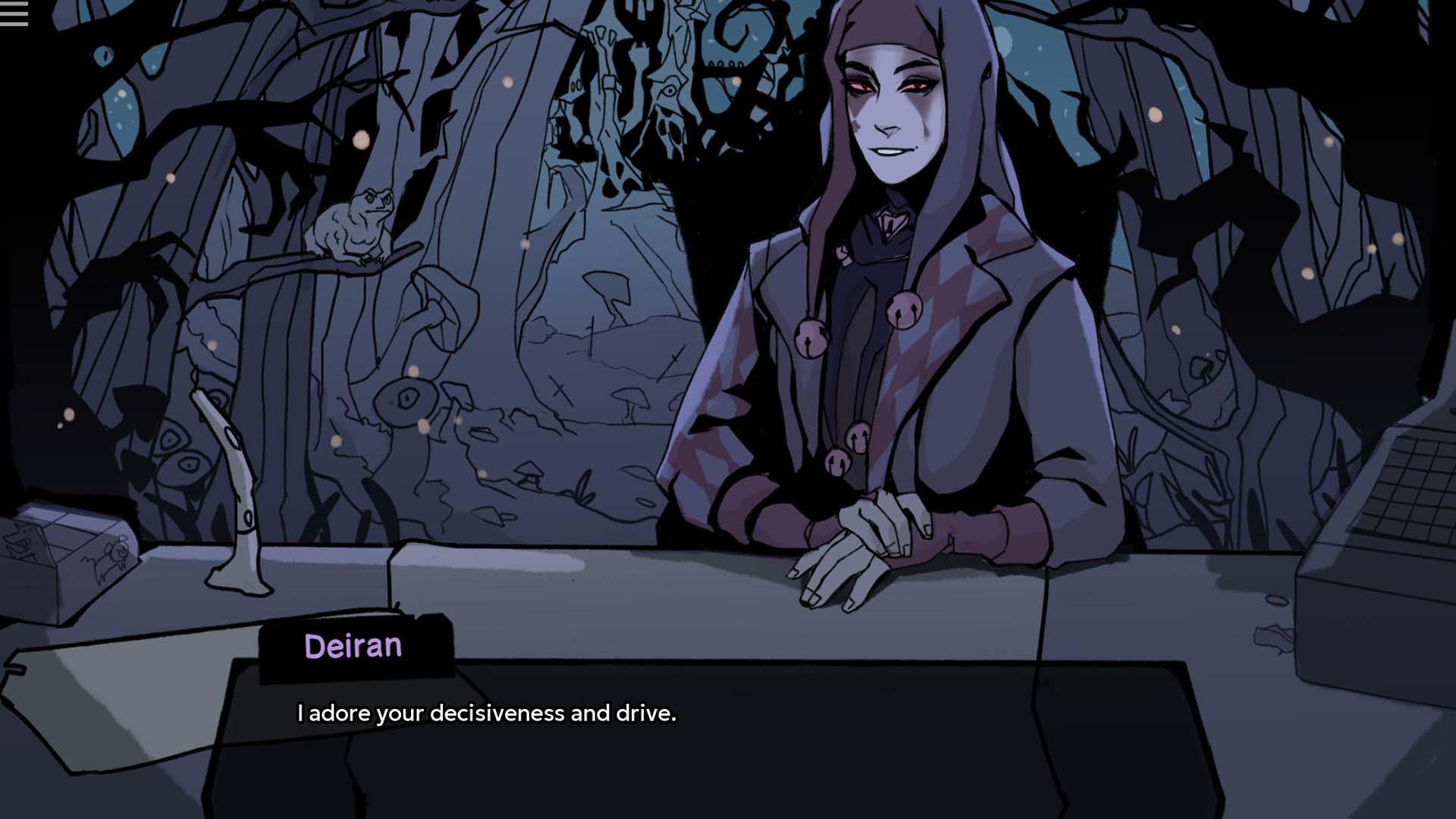
The central figure in Don't Eat the Cashier! is BOB, the octopus-like store owner whose presence looms over the entire shift. Beyond BOB, a rotating cast of monster customers cycles through the store —some deeply unsettling, some surprisingly charming, and many who are hard to read until it is too late.
How many endings does Don't Eat the Cashier! have?
Don't Eat the Cashier! has nine different endings, ranging from romance and escape to full-on nightmare territory. There is no single true ending —each route only reveals part of the story, and you will need multiple shifts behind the counter to see the full picture.
What platforms can I play Don't Eat the Cashier! on?
Don't Eat the Cashier! is embedded right on this page —just press Play to start, no download needed. Native builds are also available for Windows, macOS, Linux, and Android.